Vista Fox · Adelaide window specialists
AS/NZS 2208 Window Film & Heritage Glass Adelaide | Vista Fox
By Vista Fox · Published 5 May 2026
Window Film, AS/NZS 2208 and Heritage Glass: The Adelaide Reference
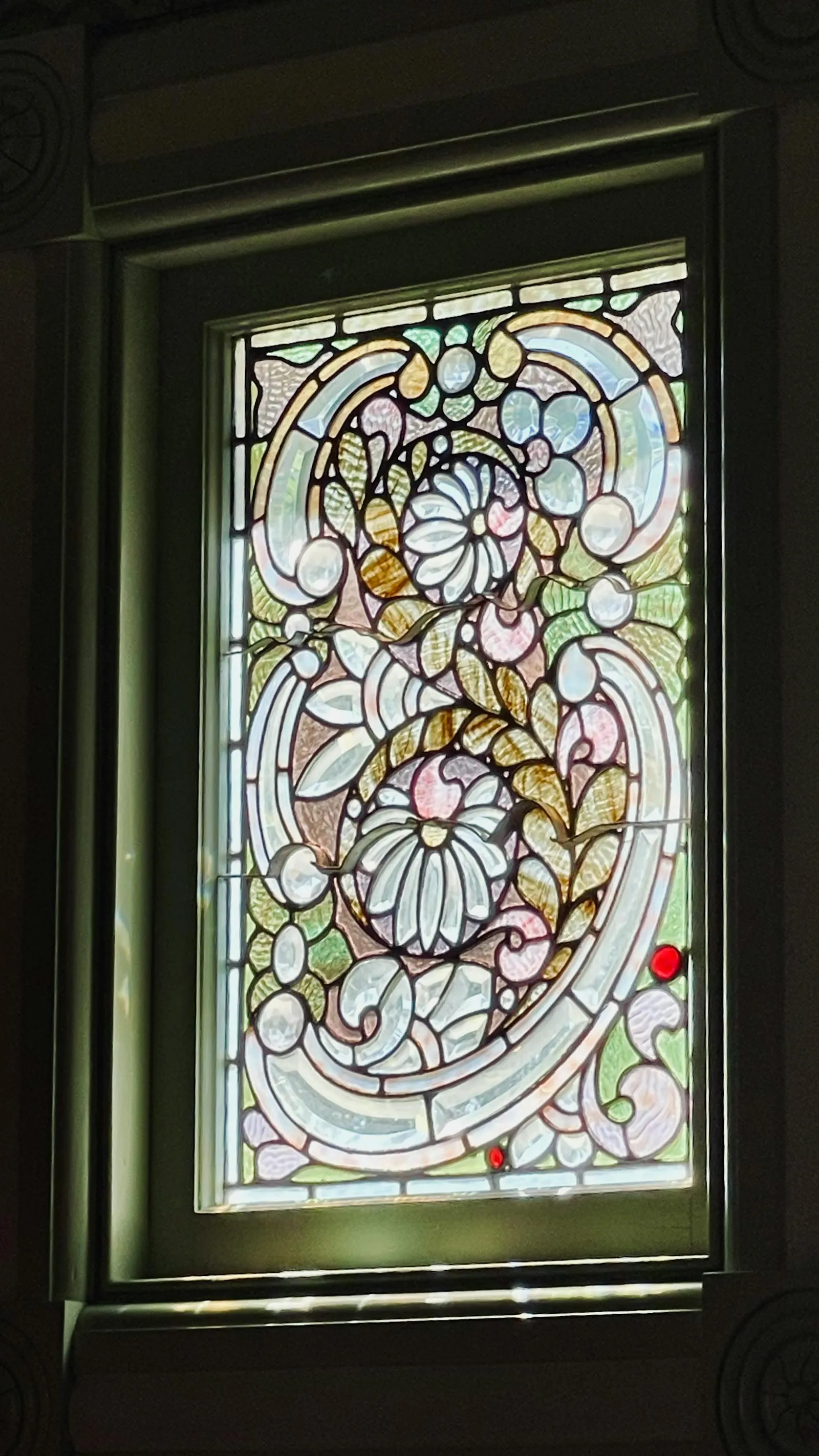
A correctly specified, AS/NZS 2208-compliant security film, applied to the inside face of an existing pane to manufacturer protocol, can upgrade a pre-1990 non-safety pane to a Grade A or Grade B safety-rated assembly without replacing the glass. That is the position most Adelaide homeowners — and a surprising number of builders, conveyancers, and home inspectors — don’t know exists. It is the difference between losing the original 1920s leadlight in a Walkerville villa to a toughened-glass replacement and keeping it intact while resolving the safety-glazing question on a sale, an insurer query, or an AS 1288:2021 compliance flag.
This article is the long-form reference for that position. It covers the three standards that bind the conversation — AS/NZS 2208:1996 (the safety-glazing test), AS 1288:2021 (where safety glass is required in a building), and AS/NZS 4666:2012 (insulating glass units) — the WERS for Film accreditation framework for performance-rated film, the manufacturer compliance documentation a buyer should expect at handover, and the practical heritage-glass walk-through Vista Fox runs on every job. Vista Fox is a WFAANZ member and a WERS for Film accredited installer; the AS/NZS 2208 retrofit is the work we care about most in Adelaide. Read this once and you will know more about the architectural-film side of safety glazing than the operator on the other end of most quote calls.
The one-line summary, then the explanation
If you only read one paragraph: AS 1288:2021 lists where safety glass must be in a building (doors, sidelights, low panels, panels near wet areas). AS/NZS 2208:1996 is the test method that proves a glazing material is safety glass. An AS/NZS 2208-compliant applied film, on the inside face of an existing pane, makes the assembly pass the same pendulum-impact test the glass would have to pass on its own — which means the assembly is now safety glazing, by test, without the pane being replaced. The compliance sticker affixed at install is the trust marker. The manufacturer’s test certificate, the installer’s WFAANZ membership, and the WERS for Film accreditation are the supporting documentation.
The rest of this article unpacks each piece of that paragraph for the buyer who has to live with the decision — and for the architect, building inspector, or heritage-property owner who has to sign off on it.
The three Australian Standards that bind the conversation
There are three standards in play on every Adelaide architectural-film safety job. They sit in a stack: AS 1288 says where safety glass goes, AS/NZS 2208 says what counts as safety glass, AS/NZS 4666 covers insulating glass units (relevant when a window is double-glazed). Citing one without the others — or citing them inaccurately — is the single most common error in tinting-shop and general-trades quotes for this kind of work.
AS 1288:2021 — Glass in buildings — Selection and installation
AS 1288:2021 is the current edition of the Australian Standard for the selection and installation of glass in buildings, published by Standards Australia and superseding the 2006 edition. It is referenced as a primary document by the National Construction Code, and it is the standard a building inspector reaches for when asking whether the glass in a particular location is appropriate for the human-impact, wind-load, and barrier-load conditions it has to handle.
The part that drives most Adelaide retrofit conversations is the human-impact section. AS 1288 specifies the locations in a building where safety glazing is required — the locations where a person can foreseeably walk into the glass, fall against it, or strike it during a normal day. The categories most often flagged on a pre-purchase inspection or a renovation approval are:
- Doors fully or partly glazed — entry doors, internal doors with glass panels, French doors, sliding doors. Any glass panel in a door is a safety-glazing location.
- Sidelights and panels alongside doors — the narrow vertical panels next to a front door, particularly within a defined distance of the door edge and below a defined height. These are the most commonly flagged locations on inner-Adelaide heritage stock because the leadlight sidelight next to a 1900s front door is exactly the configuration AS 1288 captures.
- Panels with the lower edge less than 500mm from finished floor level — low-level glass panels in walls, balustrade infill, and some bay-window configurations.
- Glass within 300mm of a door edge or 500mm of a stair edge.
- Panels within bathrooms, ensuites, laundries and other wet-area or shower-screen positions.
- Glass barriers and balustrades — separately specified, with additional load and test requirements that were updated in line with NCC 2022 amendments to AS 1288:2021 (including expanded sloped overhead glazing requirements and new glass-barrier test methods).
For each of these locations, AS 1288 requires that the glazing material be safety glazing. Safety glazing means the glass either does not break under foreseeable human impact, or, if it does break, it breaks in a way that does not cut or pierce the person who hit it. That definition is what AS/NZS 2208 codifies as a test method.
Where AS 1288 sits in the stack: it tells you whether a particular pane has to be safety glazing. It does not tell you what counts as safety glazing. That is AS/NZS 2208’s job.
AS/NZS 2208:1996 — Safety glazing materials in buildings
AS/NZS 2208:1996, with Amendment No. 1 (1999), is the joint Australian/New Zealand Standard that specifies the test requirements for classifying a glazing material as safety glazing. It is the document AS 1288 hands the question to. It covers toughened glass, laminated glass, wired glass, organic-coated glass, and plastic glazing material — and it is that last category that lets architectural film legitimately enter the safety-glazing conversation.
The standard sets out the pendulum-impact test that is the core of safety classification. A 45 kg leather-covered bag, weighted to a defined drop mass, is dropped from a defined height onto the test pane in a defined frame. The test is repeated at three drop heights to produce three classifications:
- Grade A — the highest impact classification. The glazing material must withstand the heaviest impact (typically a 1200mm drop height) without through-penetration, or it must break safely (no cutting or piercing fragments). Grade A is the standard most often nominated by AS 1288 for the highest-risk locations — full-height glass doors, large sidelights, panels in heavy traffic.
- Grade B — a middle classification, used where Grade A is not specifically nominated but safety glazing is still required.
- Grade C — a lower classification, used in limited applications.
A glazing assembly that passes the AS/NZS 2208 pendulum-impact test at the Grade A drop height is Grade A safety glazing. Whether the assembly is a single sheet of toughened glass, a laminated unit, or an annealed pane with a properly bonded safety film, the test does not care. The test cares whether the assembly behaves correctly on impact. That is the architectural-film opening.
The film-as-safety-glazing position, stated precisely: when an applied polyester safety film of the correct grade and thickness is bonded to an existing annealed pane in the correct frame condition, by an installer working to the manufacturer’s specification, the resulting assembly is then tested as a unit under AS/NZS 2208. Manufacturers of architectural safety films (3M, Llumar, Solar Gard, Hanita, Madico) hold AS/NZS 2208 test certificates for specific film-grade and glass-thickness combinations. The film’s role on impact is to hold the broken pane together — the glass spalls but stays attached to the film and stays in the frame — so the assembly does not produce a curtain of cutting and piercing fragments. The assembly classification matches the test certificate the manufacturer holds for that combination.
Thicknesses commonly specified for safety-rated retrofit work in Adelaide:
- 4 mil (100 micron) — entry safety film. Most often achieves Grade B on single-pane annealed glazings; sometimes Grade A on thinner panes. Used where the priority is anti-shatter on lower-risk locations.
- 8 mil (200 micron) — standard architectural security film. The Vista Fox default for residential heritage safety-glazing upgrades. Achieves Grade A on most single-pane annealed assemblies per the manufacturer’s certificate.
- 12 mil and 14 mil (300 to 350 micron) — high-security and attack-rated film. Grade A with significantly higher pendulum tolerance; used on retail storefronts, ram-raid-vulnerable elevations, and high-risk commercial work, often paired with a structural-attachment system at the perimeter (Dow 995 wet-glaze sealant or a mechanical batten).
The grade you need is not a guess. It is the grade the manufacturer’s certificate covers for the film-and-glass combination at hand. We confirm it on the consult.
AS/NZS 4666:2012 — Insulating glass units
AS/NZS 4666:2012, with Amendment 1:2018, is the standard for insulating glass units (IGUs) — the sealed double-glazed units that show up on most post-2010 Adelaide builds and on energy-renovated heritage windows. It is referenced by AS 1288 and covers the long-term type testing, glazing, periodic manufacturing testing, and durability requirements that an IGU has to meet to be specified for use in an Australian building.
For the architectural-film conversation, AS/NZS 4666 matters in three places:
- Compatibility. Some film grades are compatible with IGU outer-pane application; some are not. The compatibility question is film-specific and manufacturer-specific. A blanket “yes” or “no” is wrong. We ask the manufacturer for a written compatibility statement before committing.
- Seal performance. The IGU’s edge seal is what holds the inert gas fill and the desiccant in place. A film that traps too much heat at the outer pane can stress the seal; a correctly specified spectrally-selective solar film (low absorption, high reflection) is engineered to avoid that.
- Failed units. If an IGU’s seal has failed (visible condensation between the panes, fogging that doesn’t clear), the IGU is at end of life. Film does not fix a failed IGU. The unit needs replacement. A reputable architectural-film operator will say so.
These three standards — AS 1288, AS/NZS 2208, AS/NZS 4666 — are the regulatory floor for any safety-glazing or insulating-glass conversation in Adelaide. Anything claimed without reference to them is marketing.
How a film upgrade actually works on a pre-1990 Adelaide pane
Most of inner Adelaide’s heritage housing stock — the 1880s sandstone villas in Walkerville and Norwood, the 1900s federation cottages in Unley and Hyde Park, the 1920s bungalows in Prospect and Burnside, the 1930s and 1940s cottages in Glenelg and the Hills foothills — was built before the AS 1288 safety-glazing baseline that applies to a current build. The glass in the front-door sidelight, the kitchen door panel, the laundry sidelight, the bathroom window: typically annealed, single-pane, often original. Beautiful. Not safety glazing.
The compliance question shows up in four common moments:
- A pre-purchase or pre-sale building inspection. A line item appears on the report flagging glass in a safety-glazing location that does not appear to be safety glass. The conveyancer asks for an outcome before settlement.
- An insurance review. A new insurer, or a renewal review, asks whether the entry sidelights and door panels are safety glass. The owner doesn’t know. The insurer wants either a confirmation that they are or a remediation plan.
- A renovation or extension. A heritage-overlay renovation triggers a glass-compliance review across the existing stock, not just the new work.
- A child or family-safety question. A new baby. A toddler running into the front-door sidelight. A near-miss. The owner wants to fix the worst location now.
In each case the conventional answer has been to replace the pane with toughened or laminated glass to current specification. On a sandstone villa with original leadlight, that destroys the asset. On a bungalow with original sandblasted bevels in the dining-room door, same. On a cottage with hand-cut decorative glass in the entry, same.
The film alternative, in detail:
- Site survey. A senior installer walks the property, identifies every potentially flagged location, measures the glass, photographs it, and notes the framing condition (timber, aluminium, steel — and whether the bead is intact, the rebate is sound, the frame is stable enough to support a film-bonded assembly). On heritage stock the framing question matters: a cracked or rotted timber rebate needs a glazier’s repair before any film can be installed.
- Film grade selection. Against the AS 1288 location category (door, sidelight, low panel, wet-area panel), the glass thickness, the framing condition, and the manufacturer’s available certificates, the installer specifies a film grade — typically 8 mil for residential Grade A, 4 mil for Grade B-only locations, 12 mil for high-risk or attack-rated work.
- Written specification. A quote names the film by manufacturer and product line, the AS/NZS 2208 grade, the manufacturer’s test certificate reference, the warranty period (typically 12 to 15 years residential, 10 to 12 commercial), the install date, and the price.
- Glass preparation. The pane is cleaned to film-bond standard with deionised water. No oil-based solvents, no ammonia, no detergent residue. Anything that interferes with adhesion is removed.
- Film application. Film cut to template, slip-applied with a controlled mounting solution, squeegeed firmly to drive out moisture and trapped air, edge-trimmed to a clean fit at the rebate. On a wet-glaze edge (specified for high-security work, or where AS/NZS 2208 Grade A on a thicker glass requires it), a structural-attachment sealant is applied at the perimeter.
- Compliance sticker. A manufacturer-issued AS/NZS 2208 compliance label is affixed to the lower corner of the glass, with the year of installation marked on it. This is the step most general-trades operators skip. Without the sticker, the installation is not auditable. With it, an inspector, conveyancer, or insurer has a visible compliance reference.
- Documentation handover. The owner receives the manufacturer’s AS/NZS 2208 test certificate for the specific film grade, the installation record (film type, glass measured, install date, installer name, sticker location), the manufacturer warranty document, and the installer’s labour warranty.
- Cure period. Full optical clarity reaches at the end of a 7 to 30 day cure period (faster on thinner films, slower on thicker security films). The safety-glazing performance is present from the moment the film is bonded — cure relates to optical clarity, not to safety performance.
The original glass is preserved. The compliance question is resolved. The owner has a paper trail.
For a deeper walk-through of safety film grades and applications, see security film. For solar/heat-rejection-only film (which is a different specification, with overlapping but not identical performance metrics), see solar window film.
WERS for Film: the performance-rating layer
Safety-glazing compliance answers a yes/no question. Performance answers a how-much question — how much heat is rejected, how much UV is blocked, how much visible light passes through. The Australian framework for that is WERS for Film, the Window Energy Rating Scheme for Film.
WERS for Film is the AU-specific accreditation program for applied window films, jointly administered by the Australian Glass and Window Association (AGWA) and the Window Film Association of Australia and New Zealand (WFAANZ). It does what an energy-rating star system does for an appliance — but for film. A WERS-rated film carries a published performance dataset: TSER, VLT, SHGC, U-value, and shading coefficient, all measured under the scheme’s protocol. A WERS-accredited installer can issue a WERS for Film energy certificate at install, which contributes to the building’s energy assessment and can support a higher resale assessment.
The four numbers a buyer should see on every solar-film quote:
- TSER (Total Solar Energy Rejected). The headline performance number. The percentage of total solar energy stopped at the glass. Premium architectural solar films sit at 60 to 78 per cent.
- VLT (Visible Light Transmission). How much daylight gets through. Lower VLT means a darker film and a darker room. Residential bands typically run 30 to 70 per cent.
- SHGC (Solar Heat Gain Coefficient). Lower is better. The number NatHERS-equivalent assessors and energy reports key off. Quality solar films drop a single-pane SHGC from around 0.75 untreated down to 0.30 to 0.40.
- UV rejection. Architectural-grade films almost universally hit 99 per cent UV rejection. UV-only “clear” films achieve the same 99 per cent for fade-protection-only applications.
A safety film does not have to be a solar film. A solar film does not have to be a safety film. Some films are both — a dual-purpose architectural product with both AS/NZS 2208 compliance and WERS-rated solar performance. The right specification depends on the location and the problem the owner is solving. We confirm both layers separately at the consult.
A note on a standard you will see misquoted. AS/NZS 1067.1 governs sunglasses. It is not an architectural-film standard. It appears in tinting-shop marketing because it has the right shape (“Australian Standard for sun protection”) and the wrong scope. Vista Fox does not cite AS/NZS 1067.1 on architectural-film work. If a competing quote does, the quote is wrong about the standard.
What a heritage-glass safety upgrade looks like, by suburb
A few worked examples drawn from the Adelaide map. Suburbs and configurations are typical; the standards stack and the install protocol are the same in every case.
- Walkerville — 1890s sandstone villa, original leadlight front door with matching sidelight. Pre-purchase inspection flagged the entry assembly. Toughened replacement would destroy the leadlight, which is the reason the buyer paid the price. AS/NZS 2208 Grade A film, 8 mil, applied to the inside face of the door panel and both sidelights. Manufacturer compliance sticker at the lower corner of each pane. Conveyancer satisfied. Original glass intact. See Walkerville window cleaning and film for the suburb context.
- Norwood — 1920s bungalow, original sandblasted bevel in the dining-room internal door. Renovation approval triggered a glass review. Replacement would mean a custom-cut commission to match the bevel — months and four figures of glass work. AS/NZS 2208 Grade B film, 4 mil, on the internal door. Compliance achieved, glass preserved, renovation cleared. See Norwood.
- Burnside — 1900s villa with extensive original glazing on a wraparound verandah. New family with toddlers. Owner specified safety upgrade across all reachable panes. AS/NZS 2208 Grade A film, 8 mil, on every flagged location. Compliance documented across the assembly. See Burnside.
- Stirling — 1980s passive-solar acreage with full-height north-facing glazing in the living room and BAL-rated bushfire considerations. Two specifications combined: AS/NZS 2208 Grade A safety film on impact-flagged locations, and a separate WERS-rated solar film on the north-facing living-room glazing. Both films can be from the same product family if the manufacturer supports it; on this job they were two distinct films on different panes. Energy certificate issued for the solar film component.
- Hahndorf cottage commercial conversion — heritage shopfront on the main strip. Retail use change required AS 1288 review. AS/NZS 2208 Grade A film, 8 mil, on the shopfront glazing, paired with a sacrificial anti-graffiti overlay. Heritage shopfront preserved.
The pattern is the same across all of them: identify the AS 1288 trigger, specify the AS/NZS 2208 grade, install to manufacturer protocol, sticker the assembly, document the work. The standards stack does the heavy lifting; the installer’s job is to apply it correctly.
The compliance documentation set — what a buyer should expect
A safety-rated film job that is done correctly produces a paper trail. If the operator hands the keys back without it, the work is not auditable. The full set:
- Manufacturer AS/NZS 2208 test certificate. A PDF, by film grade and glass thickness, naming the test laboratory and the certificate reference. This is the document an inspector will ask to see.
- Compliance sticker affixed at install. Manufacturer-issued, applied to the lower corner of the pane, with the year of installation marked. Visible on inspection. Permanent.
- Written installation record. Film product and grade, glass dimensions, install date, installer name and accreditation, location of each pane treated, sticker placement noted.
- Manufacturer warranty document. Typically 12 to 15 years on residential safety film, 10 to 12 on commercial. Covers the film, not the glass.
- Installer labour warranty. Vista Fox’s separate warranty on the install workmanship, edge condition, and bond integrity.
- WERS for Film energy certificate (where the film is WERS-rated and the install is by a WERS-accredited installer). Contributes to the building’s energy assessment.
- WFAANZ membership and WERS for Film accreditation evidence for the installer. Confirms the operator is bound by an industry code of conduct and a published accreditation register.
A reasonable rule for buyers: ask for the test certificate before the deposit, ask for the sticker location at handover, store the documentation with the property file. If a future inspector, insurer, or buyer asks the question, the answer is in the folder.
Frequently asked questions
Can window film really make my existing glass count as safety glass under AS/NZS 2208?
Yes — when a correctly specified, AS/NZS 2208-compliant safety film is bonded to the inside face of an existing pane to manufacturer protocol, the assembly passes the same pendulum-impact test that defines safety glazing. The manufacturer holds an AS/NZS 2208 test certificate for the film-and-glass combination, the installer affixes a compliance sticker at install, and the assembly is then safety glazing by test. The original glass — including heritage leadlight, sandblasted bevels, and decorative glazing — is preserved. The grade you need (A, B, or C) is determined by the AS 1288 location category and the manufacturer’s available certificates.
Does AS 1288:2021 require all my windows to be safety glass?
No. AS 1288:2021 requires safety glazing only in defined locations: doors and door panels, sidelights and panels alongside doors, panels with the lower edge less than 500mm from the floor, glass within 300mm of a door edge or 500mm of a stair edge, panels in wet areas (bathrooms, ensuites, laundries), and glass barriers. A pre-purchase inspection will flag the locations on a particular property; not every window in the house is a safety-glazing location. AS/NZS 2208-rated film is the most heritage-sympathetic remediation pathway when the flagged glass is original or character.
Is the AS/NZS 2208 compliance sticker actually required?
The sticker is the auditable trust marker — it is how an inspector, insurer, or conveyancer confirms at sight that the assembly has been upgraded to a safety-glazing classification. Most general-trades tinting operators do not affix it. Vista Fox affixes it on every safety-rated job, every time, with the install year marked. Without the sticker, the installation is not visibly auditable and the documentation chain breaks at the pane.
What’s the difference between AS/NZS 2208 safety film and a regular tinted window film?
AS/NZS 2208 safety film is tested and certified to hold a pane together on impact — its design priority is anti-shatter performance. A solar or privacy film is designed for spectrally-selective heat rejection or visual obscuration; it may incidentally improve glass-retention behaviour but is not certified as safety glazing. Some architectural films are dual-purpose (both AS/NZS 2208-rated and WERS-rated for solar performance); these carry both certifications. The right specification depends on the problem you’re solving — a heritage compliance call wants AS/NZS 2208 Grade A or B; a hot west-facing room wants WERS-rated solar film. Both can be installed on the same pane if the manufacturer supports the combination.
Can security film be installed on double-glazed (IGU) windows?
Sometimes, depending on the film and the IGU. The relevant standard is AS/NZS 4666:2012. Some safety films are compatible with IGU outer-pane application; some are not. Film selection on an IGU requires a written manufacturer compatibility statement before install. If the IGU’s seal has already failed (visible condensation between the panes), the unit is at end of life and needs replacement first — film does not fix a failed IGU.
Does AS/NZS 1067.1 apply to architectural window film?
No. AS/NZS 1067.1 covers sunglasses. It is not an architectural-film standard and does not appear in any reputable Australian film specification. If a quote cites AS/NZS 1067.1 as the basis for a film’s solar performance, the quote has the wrong standard. The correct AU framework for architectural-film performance is WERS for Film, jointly administered by AGWA and WFAANZ.
How long does AS/NZS 2208 safety film last on Adelaide glass?
Manufacturer warranties on architectural safety film typically run 12 to 15 years for residential interior application and 10 to 12 years for commercial. In practice, a properly bonded film on a clean, intact pane in a stable frame can perform well beyond the warranty period — the failure mode is usually edge delamination on thermally-stressed panes (large west-facing single panes in the worst Adelaide summers) rather than wholesale film failure. The compliance status (Grade A or Grade B) holds for as long as the film is intact and bonded to the pane. If the film is replaced or removed, the assembly returns to its base-glass classification.
Sources
- Standards Australia — AS/NZS 2208:1996 Safety glazing materials in buildings
- Standards Australia — AS 1288:2021 Glass in buildings — Selection and installation
- Standards Australia — Spotlight on AS 1288:2021
- Victorian Building Authority — AS 1288 changes (NCC 2022 amendments)
- WFAANZ — WERS for Film accreditation program
- WFAANZ — About WFAANZ
- AGWA — How WERS Works
- ANSI Webstore — AS/NZS 4666:2012 Insulating glass units
- NBS Publication Index — AS 2208 Amendment No. 1 (1999)