
Vista Fox · Planning guides
Shopfront cleaning frequency planning
By Vista Fox · Published 6 November 2026
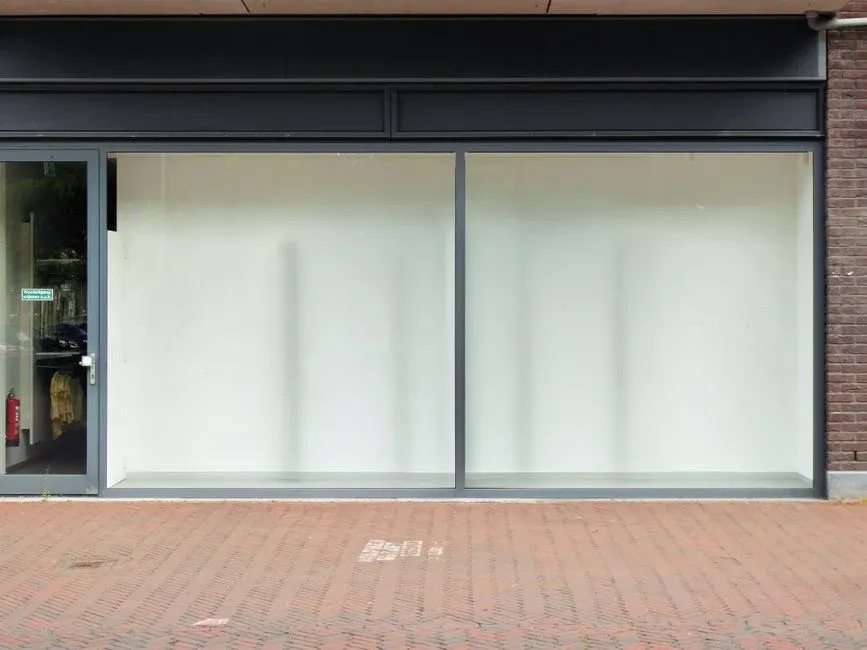
Planning how often your shopfront windows need cleaning is not a matter of picking a number off a chart. The honest answer is that the right interval depends on what your specific site is actually doing to the glass—and that changes with season, location, street exposure, and what glass and frame types are involved. A structured observation approach and an agreed service scope give you a far more defensible plan than any generic rule.
Recording Exposure and Visible Changes at the Shopfront
Before any cleaning frequency can be meaningfully discussed, it helps to have a written record of what your shopfront is actually exposed to. A shopfront on a busy arterial road accumulates traffic film and exhaust residue differently from one set back in a pedestrian mall. A city-facing ground-floor glazed façade behaves differently again from an upper-level setback panel.
Stegbar’s care guide gives environmental maintenance intervals for its aluminium windows and doors and, separately, screens. Its sheltered-location advice concerns those product-care contexts; it does not establish a shopfront-glass cleaning interval or prove that recessed glass soils faster. Record exposure at the actual shopfront and ask the glass supplier or provider which glass-care guidance and review interval apply.
Useful things to record on a first visit or walk-around:
- Direction the glazing faces and approximate daily sun exposure
- Proximity to vehicle traffic, food outlets, construction activity, or irrigation
- Whether rainfall reaches the glass or is deflected by an awning or canopy
- Any existing staining, mineral deposits, or adhesive residue already present
This record gives both the building occupant and any prospective cleaner a shared starting point rather than an assumption.
Separating Different Glass Surfaces and Access Needs
Not every panel on a shopfront is the same surface, and different glass types respond differently to cleaning methods and accumulation rates. The Viridian Glass Cleaning Guide notes that specific recommendations apply to different glass types—including coated, heat-treated, laminated, and textured glass—and that professional advice from window cleaners or glazing companies is recommended alongside their general guidance.
In practical shopfront terms, this matters because:
- A large uncoated annealed display panel may tolerate routine cleaning comfortably
- A Low-E coated panel (if present in a commercial glazing system) has a hard but chemically sensitive surface that cleans differently
- Textured, printed, or decorative panels near entrances: does the glass supplier or glazing company recommend any specific cleaning method or frequency variation for this surface type?
- Framed aluminium sections, door hardware, and tracks are separate maintenance items from the glass itself
Access is an equally separate question. Even for ground-floor shopfront glass, ask the provider to assess actual reach, pedestrian access, surrounding conditions and the proposed method. Clerestory panels, signage band glazing above awning height, or any glass requiring a ladder, elevated work platform, or reach pole involves different planning—including, for certain work configurations, assessment under SafeWork SA guidance on high-risk construction work. Whether a proposed cleaning method and access approach requires a safe work method statement is a question for the actual contractor, assessed against the specifics of the work.
Keeping these surfaces and access zones listed separately in a service agreement means that scope and frequency can be set appropriately for each element, rather than bundled under one interval that may underserve some panels and over-service others.
Questions to Raise About a Proposed Review Interval
When a shopfront cleaning provider proposes a schedule—fortnightly, monthly, quarterly—it is reasonable to ask what that interval is based on. A well-considered proposal will reference at least some of the following:
- What visible contamination drivers have been identified at this specific site (traffic, food, coastal proximity, construction nearby)?
- Which surfaces are included, and are any coated or specialist panels handled differently?
- Is the interval different for sheltered recessed glass versus fully exposed panels?
- What constitutes a satisfactory result at each visit, and how is that assessed?
- What would trigger an unscheduled visit outside the agreed calendar?
A proposed interval that cannot be explained in site-specific terms is worth questioning before committing to a contract.
Agreeing What Observations Will Trigger a Scope Review
One of the more practical elements of a shopfront cleaning plan is defining in advance what visible changes would prompt a conversation about adjusting the schedule—rather than waiting until a problem is entrenched.
Hypothetical scenario (illustrative only, not a customer story): imagine a café shopfront that starts a quarterly clean schedule in autumn. A nearby construction project begins in spring, generating concrete dust and spray. The agreed trigger—“visible mineral haze or adhesion of construction residue on more than 20% of the display glass”—means the building manager and cleaner have an agreed basis for bringing forward a visit rather than waiting for the quarterly date. This is a planning illustration; actual triggers and scope adjustments need to be negotiated between the parties involved.
Viridian’s guide observes that if glass cannot be protected during construction it should be cleaned frequently to prevent permanent damage—which is a practical reason to have a trigger clause rather than a fixed-only schedule.
Trigger conditions worth agreeing in advance:
- Visible etching or mineral staining that is not removed by routine cleaning
- Adhesive or paint residue from neighbouring works
- After an unusually heavy dust event or storm
- Change in tenancy (new use, different traffic)
- Seasonal shift (e.g., periods when sea-salt spray exposure increases, if the site is in a coastal location—a question for the cleaner or glazing company to assess for your specific site)
Keeping the Service Schedule Separate from a Universal Cleaning Rule
There is no single correct shopfront cleaning frequency that applies across all Adelaide locations, glass types, and exposure conditions. The Stegbar guide’s environmental intervals are examples for its aluminium windows, doors and screens. Keep those product-specific maintenance examples separate from the actual shopfront-glass interval, which should be discussed with the glass supplier or cleaning provider.
What this means for planning is that a shopfront cleaning schedule is properly a site-specific, negotiated document rather than a default imported from a general recommendation. It should:
- Be reviewed when site conditions change materially
- Distinguish between glass surfaces, frames, and access zones
- Include agreed observation triggers rather than relying on calendar dates alone
- Be separated from any internal cleaning or tenancy maintenance obligation, which is a different scope entirely
For further reading on complementary commercial glass and access topics, see our guides on commercial window cleaning access planning and office partition film proposal, which cover related considerations for different commercial glazing contexts.
If you would like to explore whether a referral to a cleaning provider for your Adelaide shopfront is available, you are welcome to submit an enquiry through the form on this site.
Further Reading
- Viridian Glass Cleaning Guide (Viridian Glass Pty Ltd, 2024): viridianglass.com
- Stegbar Windows & Doors Care and Maintenance Guide: cdn.shopify.com/stegbar
- SafeWork SA — Safe Work Method Statements: safework.sa.gov.au