
Vista Fox · Planning guides
Solar-panel cleaning access assessment
By Vista Fox · Published 6 November 2026
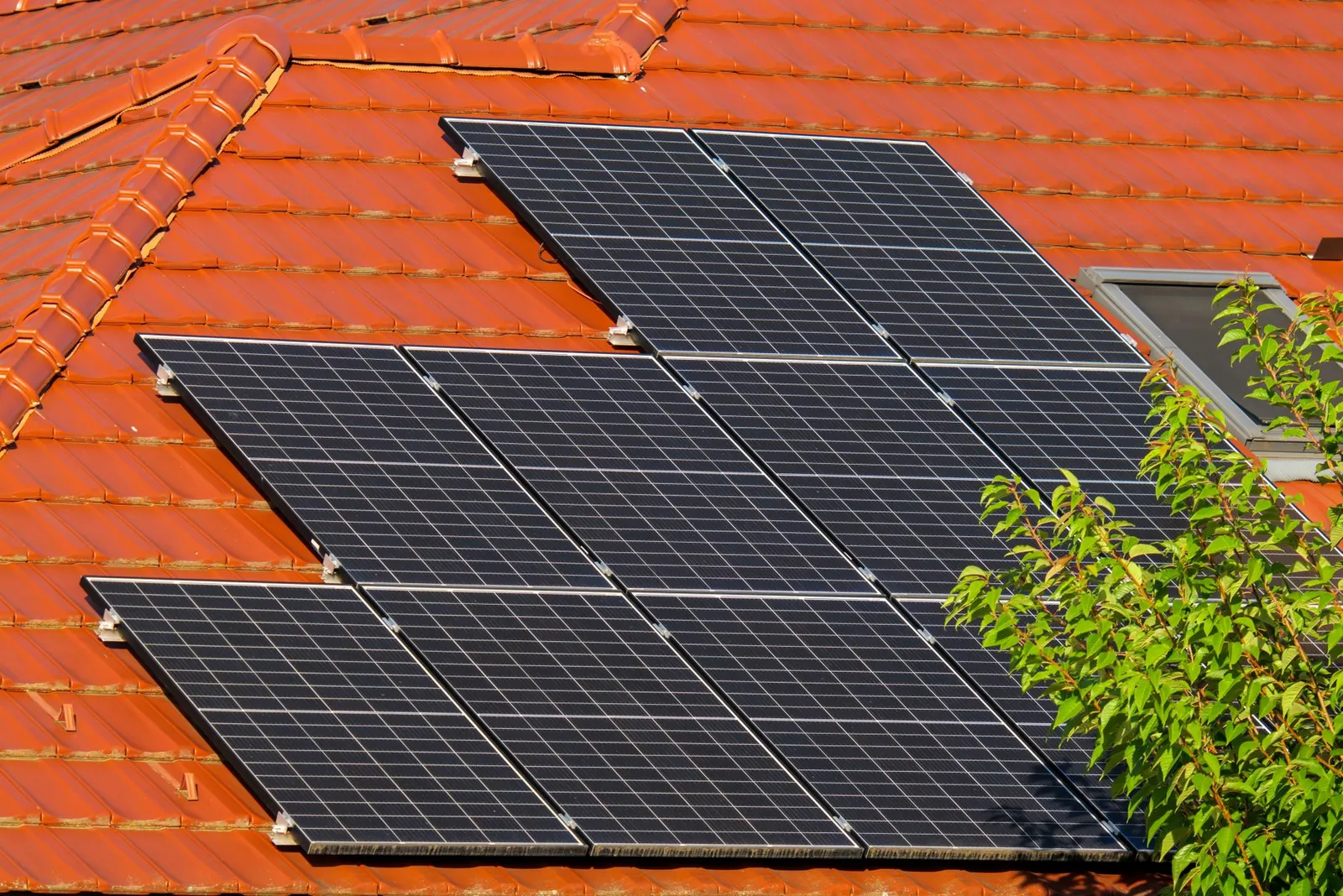
Before you book a solar panel clean, the most useful thing you can do is locate your system documentation, describe roof access conditions from ground level, and ask specific questions about provider qualifications and what the panel manufacturer says about approved cleaning methods. This preparation matters because the work involves roof access, energised electrical equipment and surfaces that may respond badly to the wrong cleaning approach.
Why system documents matter before anything else
Your solar system came with product warranties covering the panels, the inverter and potentially the battery, as well as a workmanship or installation warranty from your installer. The Australian Government’s energy advice page notes that checking your system documentation for a maintenance schedule is the recommended starting point, with the alternative being to ask your solar retailer or installer what is suitable.
Before contacting any cleaning provider, it is worth locating:
- The panel manufacturer’s care and maintenance guide (or the brand and model number so a provider can source it)
- Any documentation that specifies approved cleaning products or methods for the glass surface
- Your installer’s workmanship warranty, to understand what activities might affect its coverage
- The system monitoring app or display, so you have a baseline generation figure to compare after service
If you cannot locate the documentation, ask your original solar retailer, installer or manufacturer to help identify the panels from existing installation records. Do not climb onto the roof, reach under the array, lift panels or open covers to obtain labels. Ask what records or copies the installer can supply.
What you can describe safely from ground level
A cleaning provider will want to understand roof access before quoting. You do not need to climb onto the roof yourself — in fact, the Australian Government’s energy guidance explicitly notes that it can be dangerous to clean your own panels. What you can usefully observe and record from ground level includes:
- Roof pitch (steep, moderate or near-flat, as far as you can judge visually)
- Roof material (tile, metal sheet, corrugated iron)
- Panel array position relative to the roofline and any obvious obstructions such as a skylight, chimney or parapet wall
- Street-level or driveway clearance for equipment
- Whether any section of the array is shaded by a tree or structure for part of the day
- Any visible soiling such as bird droppings, leaf accumulation, dust or discolouration
This description helps a provider assess whether a water-fed pole from ground level may reach the array, or whether elevated access is needed. That determination belongs to the provider, not to you.
Questions to ask about provider qualifications
The Australian Government’s energy advice page states that a solar service should be conducted by an accredited solar installer or qualified electrician, and lists what that full service should include. Cleaning is described as something you can ask for as part of a professional system service, with the government noting you should only allow a qualified person to clean your panels to avoid damage and ensure safety.
That recommendation concerns the full system service described by the government. Ask the provider which tasks are included in the proposed booking, who performs them and which qualifications apply to that actual scope. When you contact a provider, it is reasonable to ask:
- What qualifications does the person doing the work hold, and are they relevant to the scope being quoted?
- Does your scope include any electrical inspection or testing, and if so, what is the accreditation basis for that work?
- Do you carry public liability insurance, and does it cover roof access work?
- What working-at-heights controls do you apply for the specific roof type and pitch?
- Will you assess access conditions on-site before committing to a cleaning method?
SafeWork SA guidance notes that high-risk construction work — which may include work at heights depending on the specific task and fall risk — requires a safe work method statement prepared by the person conducting the business or undertaking, accounting for workplace-specific circumstances. Whether a particular solar cleaning visit falls within that classification is a question for the provider to answer honestly, based on the actual work involved. That is a useful thing to ask directly.
Manufacturer directions for the panel surface
Identify the actual panel brand and model and obtain its care and maintenance documentation. Ask the provider which product-specific surface or coating information is relevant to the proposed cleaning scope.
Without seeing your specific panel manufacturer’s documentation, it is not possible to state which methods or products are approved for your panels. Useful questions to put before any cleaning work begins:
- Does the panel manufacturer’s care guide specify approved cleaning methods, products or things to avoid for this panel’s surface?
- Has the cleaning provider confirmed the panel brand and model, and do they have access to the relevant manufacturer guidance?
- Does the proposed cleaning method account for any surface coating on the panel glass?
These are questions to direct to the panel manufacturer directly (contact details are usually in the warranty documentation or on the manufacturer’s website), your original installer, and the cleaning provider before work is agreed.
What a cleaning service covers — and what it doesn’t
The Australian Government’s energy guidance describes what a solar service should include: cleaning the panels, clearing the area around and under the panels, testing electrical components, inspecting cables, isolator switches and other system parts, and inspecting the inverter and battery fault history.
Panel cleaning on its own is a narrower scope than a full service. When recording what you’re asking for, it helps to be explicit about whether you want:
- Panel surface cleaning only
- Panel cleaning combined with a visual inspection of the array framing and wiring condition
- A full accredited service including electrical testing
Electrical testing and fault diagnosis require an accredited installer or qualified electrician. The government guidance also notes that repairs to solar or battery systems should only be attempted by an accredited electrician, because even with the mains switched off, the solar system remains energised and poses an electrocution risk.
A hypothetical preparation scenario (illustrative only)
Imagine a homeowner in a dusty suburban Adelaide street who notices reduced generation on sunny days and wants the panels cleaned. Before calling anyone, they locate the panel manufacturer’s name from the inverter documentation, download the care guide from the manufacturer’s website, and photograph the roof from the driveway to show the pitch and array position. They note the panels are on a low-slope tiled roof with clear driveway access. When they contact a provider, they can confirm the panel brand, ask whether the provider is an accredited installer, describe access, and ask which method the provider uses for that specific glass type. This isn’t a customer story — it’s an illustration of the information gaps that preparation closes.
Recording the proposed service scope
Before work begins, it is useful to have in writing:
- What the provider will clean and what is excluded
- The cleaning method and any products to be used on the panel surface
- How roof access will be managed
- Whether any electrical components will be inspected or tested, and if so, the provider’s accreditation basis for that work
- What happens if the provider identifies damage or a fault during the visit
No energy return or generation improvement should be promised in advance. The Australian Government notes that generation varies with season, weather and system condition — soiling is one possible cause of reduced output, but it is not the only one.
Further reading and related guides
- Window cleaning quote inclusions checklist
- Post-construction window cleaning enquiry
- Flyscreen and track cleaning scope
- Gutter and window cleaning bundle Adelaide
Sources
- Australian Government, Department of Climate Change, Energy, the Environment and Water — Look after your solar system: https://www.energy.gov.au/solar/use-your-solar-system/look-after-your-solar-system
- SafeWork SA — Safe work method statements: https://www.safework.sa.gov.au/industry/construction/safe-work-method-statements
- SafeWork SA — Scaffolding work: https://safework.sa.gov.au/industry/construction/scaffolding-work