Vista Fox · Adelaide window specialists
West-Facing Window Heat in Adelaide | Solar Film Fix — Vista Fox
By Vista Fox · Published 5 May 2026
West-Facing Windows and Adelaide Summer Heat: What’s Actually Happening, and the Spec That Fixes It
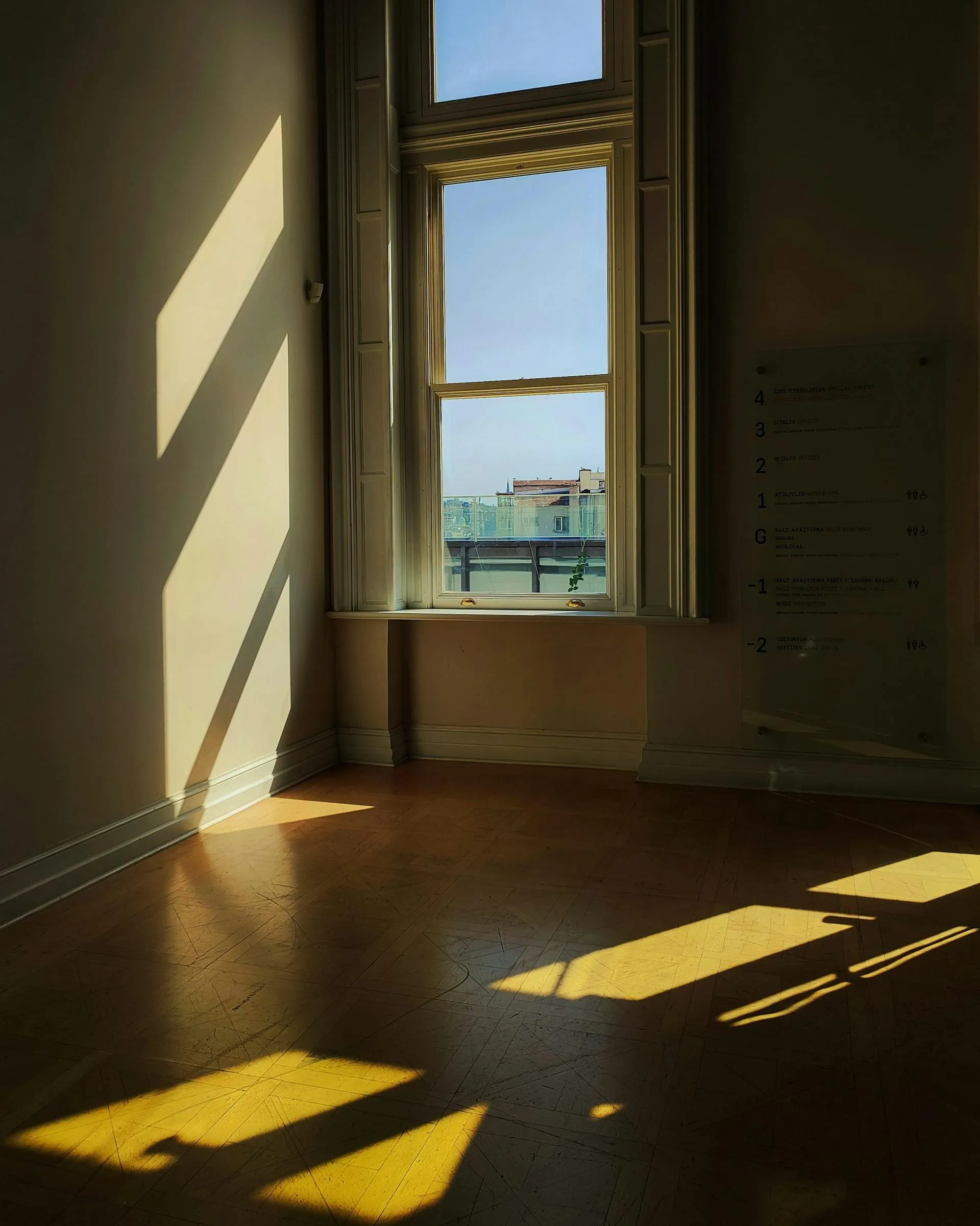
A west-facing room in Adelaide takes the brunt of late-afternoon solar load through November, December, January and February — months the Bureau of Meteorology classes as Extreme UV index across most of the day, with the gulf-side aspect amplifying both the radiant heat and the glare. Untreated single-pane glass lets through most of the visible light, most of the infra-red (the part you feel as heat), and a substantial share of the UV. The room temperature climbs 5 to 10°C above the rest of the house. The air-con cycles flat-out and can’t get ahead. By 5pm the lounge or master bedroom is the hottest room in the house and stays that way well past dark.
A correctly specified, WERS for Film accredited solar control film, applied to the inside face of the existing glass, fixes it. The film blocks the infra-red and UV at the glass — before the energy gets into the room — without darkening the room or destroying the view. This article walks through the climate driver, the three numbers a solar-film quote should always carry (TSER, VLT, SHGC), and the practical specification for a west-facing Adelaide elevation.
The climate driver — what’s actually hitting your west-facing glass
Adelaide’s UV climate is Extreme through summer. The Bureau of Meteorology’s Adelaide UV index forecast consistently shows summer index readings in the Extreme band (11+) across the middle of the day from November through February, with elevated readings extending into the afternoon. The Bureau’s climate maps for average UV index put summer Adelaide solidly in the highest Australian band. Cancer Council Australia describes Extreme UV (11+) as enough to cause skin damage in under 10 minutes of unprotected exposure.
Three things matter for the west-facing-window problem specifically:
- The sun’s path across an Adelaide summer day. From around 11am to 3pm the sun is high enough that eaves, awnings, and trees do most of the shading work on north-facing glazing. After 3pm the sun drops west — closer to glass-strike angle — and the radiant load on west-facing glass climbs sharply. By 4pm to 6pm, west-facing single-pane glass on a 35°C day commonly registers a glass-surface temperature of 50 to 60°C. The air immediately behind the glass is 5 to 10°C above the rest of the house.
- UV exposure time. Adelaide summer UV doesn’t drop to safe levels until late in the day. A west-facing room is taking high-UV exposure through the afternoon — the period when the room is also hot. UV is the fade-driver: timber floors near the window go two shades lighter than the floor in the hallway, sofa fabric on the sun side bleaches differently to the back, leadlight that survived a hundred years dries and crazes faster than its hallway counterpart.
- Gulf-side and coastal-corridor amplification. West-facing rooms in the Glenelg, Henley Beach, Brighton, and Seacliff coastal strip see the sun reflected off the gulf during late afternoon — adding an extra slice of solar load on top of the direct-strike component. This is why the western coastal band is the highest-density solar-film demand zone in metro Adelaide.
The climate is the climate. The fix is at the glass.
Why untreated glass does so little
Standard single-pane annealed glass — the glass on most pre-2010 Adelaide builds, almost all heritage stock, and a meaningful share of post-war infill — is thermally a poor barrier. It transmits roughly 80 to 85 per cent of total solar energy through the pane, with no spectral selection. Visible light, infra-red, and UV all pass through in roughly the proportions they arrive at the glass. The Solar Heat Gain Coefficient (SHGC) of an untreated single-pane sits around 0.75 to 0.85 — a NatHERS-equivalent number that energy assessors flag as one of the worst thermal elements in the house.
Older insulating glass units (IGUs / double glazing) without low-E coatings perform better but not dramatically — typically SHGC 0.60 to 0.70. Modern low-E IGUs are materially better; SHGC 0.30 to 0.45. But on the existing housing stock that the west-facing-room problem applies to, the glass is doing very little.
The standard responses, ranked by what they actually solve:
- Closing the blinds. Cuts visible light and some glare. Doesn’t stop the heat — the energy still passes the glass, hits the blind, and radiates into the room. The room behind a closed blind on a 35°C afternoon is dim and still hot.
- External awnings and shutters. Effective. They stop the energy before it hits the glass. Expensive; visually intrusive on a heritage facade; not always permitted under heritage overlay; installation is a major job.
- Air-conditioning harder. Treats the symptom. The kWh bill goes up; the room is still uncomfortable when the system is off; the hottest point of the day is when the demand is highest and the unit cycles slowest.
- Replacing the glass with low-E IGUs. Effective. Materially expensive ($1,200 to $2,500 per pane for residential work), often requires reframing on heritage windows, and on character glazing destroys the original glass.
- Solar control film on the existing glass. Cuts the heat before it gets in, preserves the visible light to a high level, blocks 99 per cent UV, and costs a fraction of glass replacement. The fix this article is about.
Solar film, in plain language
Modern architectural solar film is spectrally selective. The film is engineered with metallic or ceramic nano-layers that selectively reflect or absorb specific bands of the solar spectrum. The film is designed to:
- Block most of the infra-red (the heat band you feel) — the largest single contributor to the radiant load
- Block essentially all of the UV — typically 99 per cent on architectural-grade films
- Pass most of the visible light — so the room stays bright and the view stays clear
You can buy a film with VLT (visible light transmission) in the 30 per cent range that looks dark and a film with VLT in the 70 per cent range that is barely visible against the glass. Both can deliver the same heat rejection if the underlying spectrally-selective construction is right. The dark-equals-cool assumption is wrong. A premium spectrally-selective architectural film can be near-clear and still cut TSER 70 per cent. The trade-off the buyer is actually making is between film cost (premium spectrally-selective is more expensive) and film visibility (mid-grade ceramic is cheaper but a touch darker).
The film bonds to the inside face of the glass using a pressure-sensitive adhesive, cures over 7 to 30 days for full optical clarity, and is rated under WERS for Film — the AU-specific accreditation program for applied window films, jointly administered by the Australian Glass and Window Association (AGWA) and WFAANZ.
TSER, VLT, SHGC — the three numbers a solar-film spec lives or dies by
Every Vista Fox solar film quote names four numbers. The first three are the load-bearing ones; the fourth is a confirmation.
TSER — Total Solar Energy Rejected
The headline number. The percentage of total solar energy stopped at the glass — across the visible, infra-red, and UV bands combined. Higher is better; the question is how much of it you need.
- TSER 35 to 50 per cent — basic solar film. Common on entry-level products and on UV-only “clear” films with modest heat rejection. Adequate for low-load elevations or fade-protection-only jobs.
- TSER 50 to 65 per cent — ceramic mid-grade. The mainstream architectural choice. Strong heat performance with a slightly visible film.
- TSER 60 to 78 per cent — spectrally-selective premium. The high end of the residential band. Vista Fox’s default spec for severe west-facing problems where the homeowner wants the room cooler without darkening it.
For a west-facing Adelaide living room with a measured glass-surface temperature of 55°C+ on a 35°C afternoon, TSER 65 to 75 per cent is the typical specification.
VLT — Visible Light Transmission
How much daylight passes through the film. A direct lever on how dark the room looks after install.
- VLT below 20 per cent — heavily darkened. Used on commercial dual-reflective films, rarely on residential lounges (the room loses too much light).
- VLT 20 to 40 per cent — moderately darkened. Common on ceramic mid-grade and on dual-reflective architectural film.
- VLT 40 to 70 per cent — lightly tinted to near-clear. The premium spectrally-selective range. The room reads bright and the film is barely visible.
- VLT 70 per cent+ — essentially clear film. Used on UV-only and fade-protection-only specifications.
The right VLT is room-driven. A west-facing lounge that already feels dim (deep room, small windows, dark furnishings) wants VLT 50 to 70 per cent to preserve the brightness. A west-facing apartment with a wall of glass and a bright interior can comfortably take VLT 30 to 50 per cent — the heat problem dominates and the brightness drop is welcome.
SHGC — Solar Heat Gain Coefficient
The energy-rating shorthand, expressed as a decimal between 0 and 1. Lower is better. SHGC is what NatHERS-equivalent assessors and BASIX-style energy reports key off when calculating a building’s thermal performance. It expresses the fraction of incident solar energy that ends up as heat inside the room — through both direct transmission and re-radiation from the absorbed share.
- Untreated single-pane: SHGC 0.75 to 0.85
- Untreated single-pane plus quality solar film: SHGC 0.30 to 0.40
- Modern low-E double-glazed (IGU): SHGC 0.30 to 0.45
- High-performance triple-glazed: SHGC 0.20 to 0.30
A solar film on existing single-pane glass typically lifts the energy assessment of that elevation to roughly equivalent of a low-E double-glazed unit — at a fraction of the cost.
UV rejection
Architectural-grade solar films almost universally hit 99 per cent UV rejection. UV-only “clear” films achieve the same number for fade-protection-only applications where heat rejection isn’t the priority. Adelaide’s Extreme summer UV makes UV rejection a default expectation, not a premium feature.
Specifying for the typical Adelaide west-facing problem
The commonest call: a homeowner with a west-facing lounge or master bedroom that overheats from 3pm onwards through November to March. The site-survey numbers Vista Fox measures:
- Glass-surface temperature on a hot afternoon. Measured on the inside face of the glass at 4pm on a 30°C+ day. A reading of 50°C+ confirms a severe radiant load. A reading of 35 to 45°C suggests a moderate load.
- Room-air-vs-house-air differential. Room temperature taken at sitting height, compared with a similar-aspect room elsewhere in the house. A 5 to 10°C differential confirms a heat-load problem rather than an insulation or HVAC problem.
- Glass type. Single-pane annealed, toughened, IGU, low-E. Confirmed by visual inspection and the property records where available.
- Frame condition. The film bonds to the glass; the glass sits in the frame. A failed seal, a cracked rebate, or a corroded frame needs glazier-side remediation before any film install.
- Aspect and elevation. Cardinal direction, eaves overhang, neighbouring shade, shading from gulf-side reflectance.
- Room use. A lounge used in the afternoon has a different priority than a guest bedroom used at night. Affects how much VLT is acceptable.
Against those measurements, the typical specification:
- A spectrally-selective architectural solar film at TSER 65 to 75 per cent and VLT 50 to 70 per cent. Premium product, near-clear visual, strong heat rejection.
- Manufacturer warranty of 12 to 15 years on the film, plus a Vista Fox labour warranty.
- WERS for Film energy certificate issued at handover, supporting the building’s energy assessment.
- Cost in the $450 to $1,200 range for a typical west-facing single-elevation residential job (see the full window tinting cost guide for context).
For the fuller technical walk-through and consult-to-warranty process, see solar window film. For the regulatory background on safety-rated film (a separate but sometimes overlapping specification), see the AS/NZS 2208 heritage-glass pillar.
Where the problem is most acute on the Adelaide map
The west-facing-window heat problem is everywhere west of the Adelaide Hills ridge, but a few zones run hotter than others:
- The coastal corridor — Glenelg, Henley Beach, West Beach, Grange, Tennyson, Brighton, Seacliff, Marino, Hallett Cove. West-facing onto the gulf. Salt-spray on the outer pane. Floor-to-ceiling glass on most post-2000 builds. The textbook solar-film market.
- The new-build estate belt — Mawson Lakes, Seaford, Aldinga Beach, Mount Barker growth zone, Gawler corridor. Master-planned estates with uniform west-facing main-living glazing, minimal eaves, and limited tree shade. The problem is structural to the build.
- Hills-edge full-glass acreage — Stirling, Aldgate, Crafers, Bridgewater. Architect-specified passive-solar designs that use large glazing for north-facing winter sun gain — and end up with significant west-facing afternoon load through summer. UV intensity is also higher at altitude.
- Inner-suburb extension and new-build glazing — Burnside, Toorak Gardens, Beaumont rear-extension “entertainer” facades. $2M+ executive new-builds with large rear glazing onto west-facing gardens and pool areas.
- CBD and North Adelaide apartments with western balconies. Body-corp jobs that often run as whole-of-elevation specifications across multiple units.
The same TSER / VLT / SHGC framework applies in every case. The film grade and VLT band shift slightly with the room and the buyer’s brightness tolerance.
What about heritage glass and leadlight?
Heritage-overlay properties — Walkerville, Norwood, Unley, North Adelaide, parts of Glenelg and Stirling — have leadlight, sandblasted bevels, and original character glazing in west-facing positions on a meaningful share of the housing stock. Two relevant facts:
- UV-only “clear” film preserves heritage glass aesthetics while blocking 99 per cent UV. A near-invisible film is essentially undetectable from outside, leaves the leadlight or character pattern visually intact, and stops the fade-driver on timber floors, period rugs, and art behind the window. This is the lowest-impact option for heritage interiors where heat is a smaller problem than fade.
- Solar control film on heritage glass needs a manufacturer compatibility check. Some film grades on some heritage assemblies (particularly thicker spectrally-selective films on small-pane leadlight) can affect the lead came under thermal stress. The right specification is film-by-film and pane-by-pane. A reputable installer will confirm before quoting.
The AS/NZS 2208 heritage-glass pillar covers the safety-glazing side of heritage-glass film work in detail.
Frequently asked questions
What is the best window film for west-facing windows in Adelaide?
A spectrally-selective architectural solar film with TSER 65 to 75 per cent and VLT 50 to 70 per cent is the typical specification for a severe west-facing Adelaide problem. The film blocks most of the infra-red and 99 per cent of the UV while keeping the room bright and the view clear. The exact grade depends on the glass-surface temperature, the glass type, and the room’s brightness tolerance — confirmed at consult against measured data. WERS for Film accreditation and a manufacturer warranty of 12 to 15 years are baseline expectations on a properly specified job.
How much heat can window film actually stop?
A premium architectural solar film blocks up to 78 per cent of total solar energy at the glass (TSER), drops the Solar Heat Gain Coefficient from around 0.75 untreated single-pane to 0.30 to 0.40, and cuts the room-air temperature behind the glass by 5 to 10°C on a hot Adelaide afternoon. It also blocks 99 per cent UV. The lived experience is a room that feels comfortable through the worst of summer with the air-con working at a sustainable cycle.
Will solar film make my room dark?
Not if specified correctly. A premium spectrally-selective film can deliver TSER 70 per cent at VLT 50 to 70 per cent — meaning 50 to 70 per cent of the visible light still passes through, and the room reads bright. The dark-equals-cool assumption is wrong on modern architectural films. The trade-off is between film cost (premium spectrally-selective is more expensive) and film appearance (mid-grade ceramic is cheaper but slightly darker).
Why is afternoon heat so bad in west-facing Adelaide rooms?
Two factors stack. First, late-afternoon sun strikes west-facing glass at a low angle, after midday when most eaves and awnings have stopped doing useful shading work. Second, Adelaide summer UV index is in the Extreme band through November to February per Bureau of Meteorology data — radiant load is at its annual peak. In coastal suburbs, gulf-side reflectance adds further exposure. Glass-surface temperatures of 50 to 60°C on the inside of an untreated single-pane on a 35°C day are common, and the room behind it runs 5 to 10°C above the rest of the house.
Does window film replace the need for air-conditioning?
No, but it materially reduces the load. Solar film cuts the heat at the glass before it enters the room. The air-conditioner then runs against a smaller heat-gain delta — cycling less, reaching set-point faster, holding it at lower fan-stage. On the worst Adelaide afternoons, an air-con system that previously couldn’t get ahead can hold the room at a comfortable temperature with film fitted. The cooling-bill saving over summer is the bonus, not the headline benefit.
If the system is already undersized for the room, films can buy back enough capacity to make it workable. If it’s near end-of-life and a replacement is on the cards anyway, get a parallel quote for Adelaide aircon installation — film + correctly-sized new unit is the right combination on hard west-facing rooms.
What’s the difference between solar film, UV film, and tinted glass?
Solar film is a spectrally-selective applied film engineered for high TSER (heat rejection) — typically also blocking 99 per cent UV. UV-only “clear” film blocks 99 per cent UV with modest heat rejection (TSER 35 to 45 per cent) — used where fade-protection is the priority and the room doesn’t have a heat problem. Tinted glass is glass with a colour added during manufacture; it absorbs some solar energy but is far less effective than spectrally-selective film and cannot be specified onto an existing pane without replacing the glass. Architectural solar film delivers the strongest heat performance per dollar on existing single-pane glass.
Is solar film effective on already double-glazed (IGU) windows?
Yes, if the film and the IGU are compatible. Some films are rated for IGU outer-pane application; some are not. The compatibility is film-specific and manufacturer-specific. We confirm with a written manufacturer compatibility statement before quoting any IGU job. Films on IGUs typically deliver a smaller marginal benefit (the IGU is already doing some of the work) but can still be the right answer on a low-E IGU that’s underperforming under severe west-facing load. AS/NZS 4666:2012 is the standard governing IGUs.
Sources
- Bureau of Meteorology — Adelaide UV index forecast
- Bureau of Meteorology — Average solar UV index climatology
- Cancer Council Australia — UV Index categories
- WFAANZ — WERS for Film
- AGWA — How WERS Works