Vista Fox · Adelaide window specialists
Burnside Architectural Window Film Case Study | Vista Fox
By Vista Fox · Published 5 May 2026
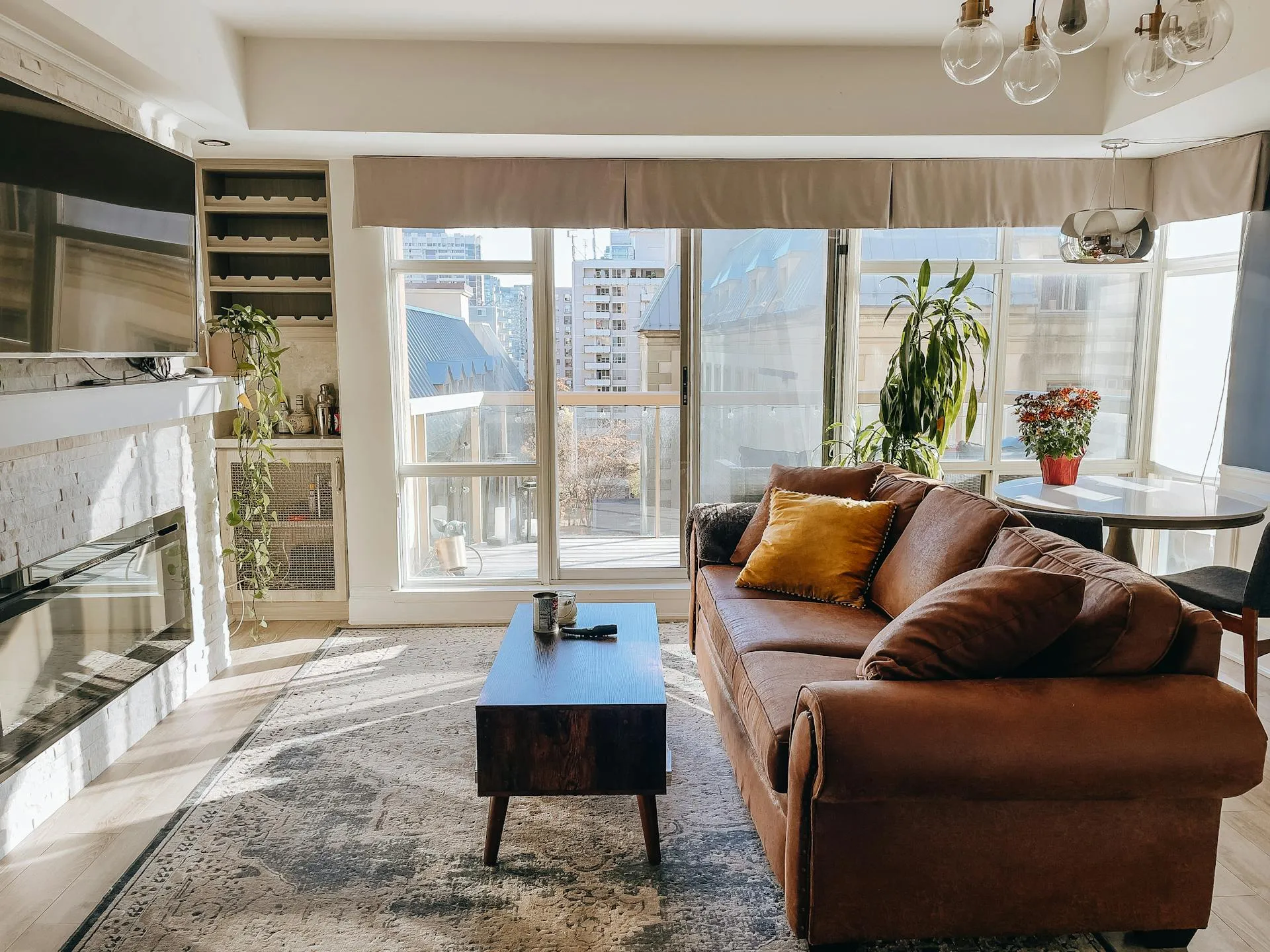
Burnside Entertainer-Extension Case Study — Solar Film on Floor-to-Ceiling Rear-Facade Glass
A Burnside-area architect-designed rear extension on a 1900s Beaumont stone villa needed Burnside architectural window film across 8 metres of west-facing floor-to-ceiling glazing onto a pool deck. The brief — preserve the view and the daylight, fix the afternoon heat that was making the room unusable through summer — was solved with a high-VLT nano-ceramic spectrally-selective film, careful edge-trim against the structural-silicone bead, and a documentation pack the architect could file in the project warranty record. Cost band on a job of this kind sits at $4,500 to $9,500. This is a worked example of how architect-spec solar film runs on the entertainer-extension stock that defines Burnside, Beaumont, Tusmore, Toorak Gardens and Glenside — what the architect cares about, what the install protocol looks like, and how the documentation closes the loop.
Vista Fox is a WFAANZ member and a WERS for Film accredited installer. The architect-introduced lead channel — Houzz Adelaide, interior designers, building specifiers — drives most of the premium architectural-film work in the eastern suburbs. The conversation runs differently to the cost-conscious residential funnel, and the documentation expectation is higher.
The brief
The client was a couple in a 1900s Beaumont stone villa. The architect had designed a 2010s rear extension — open-plan kitchen, family room, dining — connected to a pool deck through 8 metres of west-facing floor-to-ceiling glazing. The design intent was the western light at 4pm on the timber-batten ceiling and the polished-concrete floor; the lived reality through summer was a room that hit 35°C+ by mid-afternoon and emptied out by 5pm.
The architect’s brief, written into the original spec but never actioned at construction:
- Preserve the view and the daylight. The pool-deck connection is the design idea. A reflective or heavily-tinted film would break the design.
- Fix the afternoon heat. The owners wanted the room usable through summer afternoons. The air-conditioner alone wasn’t keeping up.
- Maintain the architectural detailing. Polished concrete, timber batten, structural-silicone glazing — the install couldn’t damage any of it. Edge trim against the structural-silicone bead had to be precise.
- Preserve signal pass-through. Wi-Fi, home automation, security sensors — the family lives in the room. A sputtered-metal film with high IR reflectivity would have meant signal loss across the back of the house.
- Carry a long warranty. A high-investment extension deserves a 15-year manufacturer warranty, not a 5-year off-the-shelf product.
For the broader architectural context on west-facing afternoon heat in Adelaide, see the heat pillar west-facing window heat in Adelaide.
Glass survey
The extension’s glazing was specifier-driven and modern:
- Glass type — modern Grade A toughened single-glazed pane, manufacturer stamp visible in each pane corner
- Pane configuration — six floor-to-ceiling fixed panes plus two operable sliding panels, each pane approximately 1.4m × 2.7m
- Frame system — structural-silicone glazed (no visible aluminium mullion across the facade — the silicone bead is the structural connection)
- AS 1288 compliance — already met at construction; the architect had specified Grade A toughened, the trigger zones were satisfied, the brief was purely solar
- No IGU — the extension was built single-glazed for the design intent (the architect had argued for double-glazing at design stage and lost; the solar-film conversation was effectively the IGU’s substitute on cooling load)
Toughened Grade A glass is one of the most film-friendly glass types in the Adelaide stock — there’s no IGU compatibility check to run, no came geometry to template around, and no pre-1990 annealed risk profile to manage. The brief is purely about the film’s solar performance and the install’s edge precision. For the broader compatibility picture across glass types, see the film on tempered, annealed and laminated glass field guide.
Why a high-performance ceramic was the right call
Three film categories were on the table at quote stage:
- Sputtered metallised film — high TSER, but with measurable IR reflectivity that disrupts Wi-Fi, mobile-phone, and home-automation signal pass-through. A bad fit for a family room with smart-home integration. Ruled out.
- Dyed solar film — lower per-m² cost, but lower TSER, faster colour shift over field life, and a 5 to 7 year warranty rather than 15. A bad fit for a high-investment extension. Ruled out.
- Nano-ceramic spectrally-selective film — high TSER (up to ~75%), high VLT preservation (up to ~70%), signal-clean (no metal layer to interfere with Wi-Fi or home automation), 15-year manufacturer warranty, WERS for Film accredited. The architect’s spec.
The construction explainer at sputtered vs ceramic vs dyed film walks through the manufacturing differences and the field-performance pattern of each. The short version: ceramic spectrally-selective films are the architect-spec product for a reason — they preserve more of the design intent than the alternatives.
Film specification and the manufacturer system
The product selected was a high-VLT nano-ceramic spectrally-selective architectural film. The numbers on the manufacturer datasheet:
- Total Solar Energy Rejected (TSER) — approximately 75%
- Visible Light Transmission (VLT) — approximately 70% (the architect’s design intent for daylight retained)
- Solar Heat Gain Coefficient (SHGC) — dropped from approximately 0.78 (unfilmed Grade A toughened) to approximately 0.30
- UV block — 99%+
- Signal pass-through — preserved (no measurable Wi-Fi or mobile-phone signal loss; home-automation continued to operate normally post-install)
- Reflectivity — low-reflectance interior face, low exterior — the facade reads from the pool deck as the same glass it was, just less glare in the room
- Manufacturer warranty — 15 years residential
- WERS for Film performance certificate — issued for the installed film/glass combination
The film was sourced through a manufacturer-authorised dealer network so the warranty pass-through documentation was clean for the architect’s project file. For the cost-pillar context on per-m² rates by film grade, see window tinting cost in Adelaide 2026.
Install on architect-spec glazing
Install on structural-silicone glazed glass is a different protocol to install on aluminium-framed glass. The crew runs slower and the edge trim is more precise.
Pre-install:
- Floor protection — the polished concrete and the timber batten ceiling both protected from drop and from any solution overspray
- Furniture protected and covered; the family relocated to the front of the house for the install days
- Pre-clean of every pane with deionised water — film bonds to the glass, not to the residual mineral haze that a tap-water clean leaves behind
Install protocol:
- Templating against the structural-silicone bead — the film cuts to the pane edge, not over the bead, with a 2mm relief gap
- Wet-application using manufacturer-approved solution; squeegee sequence for bubble-free bond
- Pane-by-pane install, working west to east across the facade
- Daily dust control — Burnside garden dust on a still summer day will contaminate film adhesion if the install isn’t sequenced right
- Two-person crew on each pane (the floor-to-ceiling sheets are too large for one-person handling)
Sequence with the cleaning team:
- The Vista Fox cleaning crew ran the pre-install clean and the post-cure final detail. Same operator, same gear, same standard. The film install crew didn’t have to chase a third-party cleaner’s gaps.
Documentation:
- Manufacturer compliance sticker affixed in a discreet corner of each filmed pane
- Photographic install record, pane by pane
- WERS for Film performance certificate
- Manufacturer 15-year warranty document with the architect’s project number referenced
- Install log filed with the architect for the project warranty record
Outcome
The handover record on the job:
- Afternoon temperature — measured peak surface temperature on the inside face of the glass dropped meaningfully against the pre-install reference; the room’s lived experience, against the owner’s report, is now usable through summer afternoons
- Comfort hours — the air-conditioner cycles less, the room holds the daylight without the heat, and the pool deck reads through the glass at 4pm rather than blanching out under the glare
- View preserved — VLT 70% retained nearly all of the design daylight; the architect’s after-photography sequence reads as the same room, just with the glare gone
- Signal pass-through — the home automation, the Wi-Fi mesh and the security sensors all continued to operate post-install; no signal-loss claim raised
- Architect’s portfolio — before/after photography filed; the architect has used the project as a reference on subsequent Houzz consultations
For the climate driver behind the brief, see west-facing window heat in Adelaide. For the IGU-specific case on a different Adelaide archetype, see the Glenelg coastal apartment IGU solar film case study — same family of brief, different glass profile.
The architect-installer-client triangle
The Burnside extension job is representative of how architect-introduced film work runs in Adelaide. The flow:
- Architect specifies the spec at design stage — the project file calls for a TSER target, a VLT preservation target, and a manufacturer-line tier (often “3M Prestige equivalent” or “Llumar Vista equivalent”)
- Vista Fox quotes against the spec — not against a generic film brief
- Manufacturer-authorised dealer pathway — the warranty document name-checks the project file
- Install integrates with the construction sequence — the cleaning team runs first, the film team second, the architect’s photographer third
- Documentation closes the loop — the architect files the WERS certificate, the manufacturer warranty, and the install record alongside the rest of the construction documentation
This is why architect-introduced jobs sit at the upper end of the Burnside cost band — the documentation overhead, the manufacturer specification rigour, and the precision of the install all add. The owner is paying for the closure of the loop, not just the film on the glass.
What this kind of job typically costs
The cost band for a nano-ceramic spectrally-selective architectural film job on a Burnside-style rear-extension facade typically lands in the $4,500 to $9,500 range depending on:
- Glass area. 8m of floor-to-ceiling glazing is approximately 22m². Larger facades scale up; smaller extensions scale down.
- Film grade. Nano-ceramic spectrally-selective product sits at the top of the per-m² band; this is the spec the architect-introduced channel typically calls for.
- Edge complexity. Structural-silicone glazing, frameless glass, curved corner glass — all add labour.
- Access. Most extension facades are ground-floor and pool-deck accessible; second-storey or atrium glass moves the band up.
- Documentation depth. Architect’s project-file documentation is included on architect-introduced jobs; the equivalent on a non-architect residential job is lighter.
- Manufacturer-authorised dealer pathway. Architect-spec product lines are typically only available through authorised dealers, which the per-m² rate reflects.
The full cost picture across the rest of the residential and commercial film spectrum lives in the window tinting cost in Adelaide 2026 pillar.
These bands are real strategic numbers the operator quotes against in 2026. They are not the cheapest film numbers in Adelaide and they are not the most expensive — they are what a properly specified, manufacturer-warranted, WERS-rated nano-ceramic install on a Burnside architect-spec extension typically costs.
FAQ
Will solar film darken my extension’s view?
A high-VLT nano-ceramic spectrally-selective film at VLT 70% preserves nearly all the daylight while rejecting around 75% of the solar energy. The view reads as the same view, just with the glare cut. Lower-VLT options (40% to 50%) move further toward heat rejection at the cost of slightly less daylight — the right balance depends on the design intent. The architect-spec channel typically lands at VLT 60% to 70% on extension facades because the daylight is the design.
Does film affect Wi-Fi or home automation?
Sputtered-metallised solar films can — the metal layer is reflective in the IR/RF range and disrupts signal pass-through. Nano-ceramic spectrally-selective films do not — there’s no metal layer in the film construction. For a smart-home brief, ceramic is the right specification. The construction explainer at sputtered vs ceramic vs dyed film walks through the difference.
Can I get the architect’s preferred film spec installed on my extension?
Yes. Vista Fox quotes against the architect’s spec — not against a generic film brief. Where the spec names a manufacturer line (3M Prestige, Llumar Vista, Solar Gard Sentinel) the install is sourced through the manufacturer’s authorised-dealer pathway so the warranty document is clean. Where the spec is performance-only (TSER target, VLT target, SHGC target) Vista Fox names the manufacturer line that meets the spec and provides the datasheet for the architect’s review.
How long does this kind of architectural film last?
A nano-ceramic spectrally-selective architectural film carries a 15-year manufacturer warranty for residential applications. Field life on Adelaide stock — interior-applied, no UV degradation pathway from outside, properly bonded — usually runs 15 to 20 years before any specifier-level reassessment is needed. The film doesn’t shift colour, doesn’t peel, and doesn’t lose performance under the manufacturer-specified usage.
Does film work on already-toughened glass?
Yes — toughened Grade A glass is one of the most film-friendly glass types in the architectural-film stock. There’s no IGU compatibility check to run, no came geometry to template around, and no pre-1990 annealed risk profile to manage. The brief is purely about the film’s solar performance and the install’s edge precision. The compatibility picture across glass types is in the film on tempered, annealed and laminated glass field guide.
Sources
- WFAANZ — WERS for Film accreditation
- AGWA — How WERS Works
- Manufacturer ceramic-film datasheets (3M Prestige / Llumar Vista / Solar Gard Sentinel — referenced at quote stage by product line)
- Houzz Australia — architect engagement guides for specifier-introduced project sourcing