
Vista Fox · Planning guides
Window film installation preparation
By Vista Fox · Published 6 November 2026
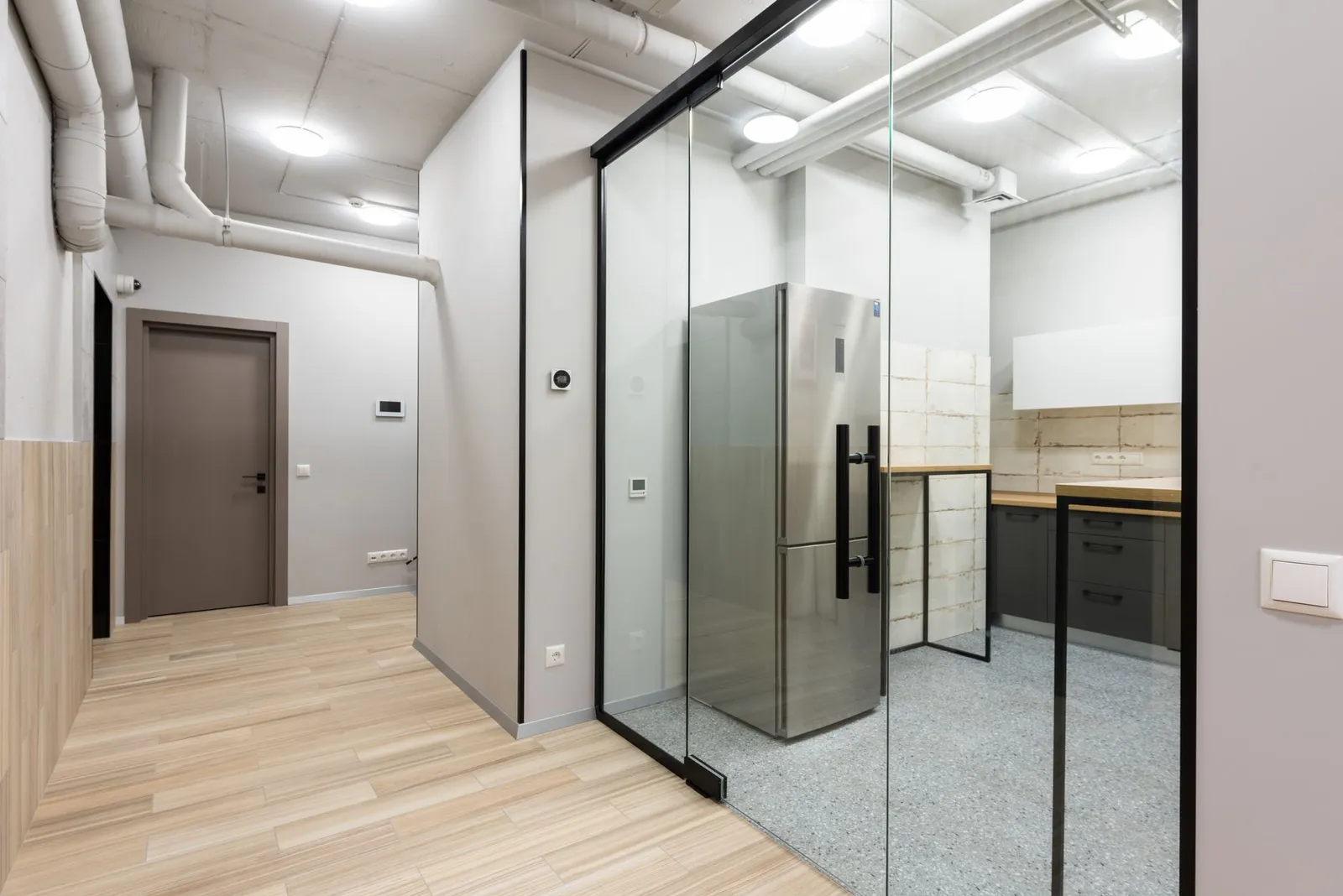
Good window film installation preparation starts well before the installer arrives. The most practical thing you can do is have a focused conversation with your installer about which glass areas are included, what access and furniture arrangements they need, what product records you should collect, and what aftercare restrictions apply after the job is done.
Confirming Which Glass Areas Are Included
Before installation day, go through the job scope window by window with your installer. It sounds obvious, but misunderstandings about which panes are in scope — skylights, sidelites, internal glass partitions, door panels — can cause real friction on the day, particularly in older Adelaide homes where glazing configurations can be unusual.
Ask specifically:
- Are sidelites beside doors included, or just the door glass itself?
- Does the quote cover both interior and exterior faces on any panes?
- Are there any panes the installer cannot film due to glass type or coating compatibility — and if so, have those been flagged in writing?
For heritage glass or leadlight, it is worth reading our related guide on AS/NZS 2208 film and heritage glass in Adelaide before this conversation, so you can ask informed questions.
Asking About Access and Furniture Arrangements
Before installation day, it is worth asking your installer specifically who handles each preparation task under your booking. The 3M Safety and Security Window Films Installation Guidelines (Revision C, January 2025) instruct the installer to review with the customer — prior to commencement — any actions that may need to be taken to prepare the site, including removal and reattachment of existing window treatments, lighting fixtures, window and door mullions, trim work, furniture or personal property, and segregation of the work site from pedestrian traffic, along with any associated costs.
That guidance is directed at the installer and is specific to 3M’s safety and security film product family, but it illustrates why asking who handles each preparation task — and whether there are costs attached — is a useful conversation to have with any professional installer before the job begins. Do not assume that furniture removal, blind detachment or site segregation is automatically included or automatically your responsibility; clarify it in advance.
Practically, ask your installer:
- Do curtains, blinds or plantation shutters need to be fully removed before they arrive, or will they handle that?
- How much clearance is needed in front of each window?
- Do you need access to both interior and exterior faces of any pane?
- Are there any windows that will require ladder or elevated platform access, and is that arranged as part of the quote?
- If pedestrian or vehicle areas need to be temporarily closed off during installation, whose responsibility is that?
For high or hard-to-reach windows, the access method is a question for the installer — SafeWork SA guidance on scaffold-related work notes that hazards must be assessed for the actual workplace, so the method used for elevated access is a professional decision, not a homeowner one.
Collecting Product Records for the Installer
If you have existing documentation about your glass — particularly for insulated glass units (IGUs), heritage-listed glass, or any previous film — gather it before the job.
Installers working on IGUs need to know the glass manufacturer and unit specification because certain films can increase thermal stress on sealed double-glazed units. If you have the original window specification sheet or a builder’s handover pack, have it available. Our guide on window film on double glazing in Adelaide explains why glass type compatibility matters.
Also worth having on hand:
- Any existing window or glazing warranty documents (film applied without manufacturer authorisation may affect them)
- The strata by-laws or body-corporate consent approval if the property is in a strata scheme — see our body-corp window film consent guide for what that documentation should look like
- Notes on any previous film removal, so the installer knows what adhesive residue or coating condition to expect
Clarifying Site-Specific Preparation Instructions
The condition of the work area on installation day directly affects film quality. The 3M Care and Cleaning Technical Bulletin notes that film installation should be performed after all other construction trades have completed work, and that customers should make every attempt to provide a clean and dust-free work area, paying attention to ventilation systems that may deposit contamination from other work areas.
This matters practically: if you have sanding, plastering, painting or other dusty trades booked around the same period, ask your film installer how close in time those activities can safely be to the film job. Contamination trapped under film during installation can appear as visible particles and is difficult to avoid where the work area is not clean and still.
Also ask:
- Should any HVAC or ducted systems be turned off during installation to reduce airborne dust?
- Is there a minimum temperature or humidity range the installation environment needs to meet?
- Do you need the glass pre-cleaned, or does the installer clean immediately before applying film?
Hypothetical scenario (illustrative only): Imagine a homeowner who has tilers finishing a wet area renovation the day before film installation is booked. Grout dust circulating through the house could increase contamination risk on installation day. The practical question to put to the installer in that situation is simply: given what trades are finishing this week, is our scheduled date still workable, or should we adjust?
Recording Aftercare Information and Follow-Up Contacts
Aftercare is where preparation pays off over the long term. Ask for aftercare information in writing before or on installation day, not after — once the installer has left, you will not want to be searching for who to call.
Two aftercare points appear in named 3M manufacturer documentation and illustrate questions worth raising with your installer before the job is done:
The no-wash period — ask your installer what applies to your film. The 3M Safety and Security Window Films Installation Guidelines (Revision C, January 2025) instruct that customers must not wash windows installed with that product family for 30 days after installation to allow adhesion to build. Separately, the 3M FASARA Glass Finishes Technical Data Sheet (Revision M, December 2019) states that product may be cleaned beginning 30 days after installation. These are product-specific instructions for named 3M product families and are not a universal aftercare rule for all window films. Ask your installer what the no-wash period is for the specific film being installed on your job, whether environmental conditions such as heat or humidity affect that timeframe, and what the restriction actually covers.
Visual inspection timing. The 3M Visual Guidelines and Care and Cleaning bulletin notes that because films are applied with a detergent and water solution, some water bubbles and visual distortion may be present initially, and that final inspection should occur approximately 30 days after application when water has dried — potentially longer in humid or cooler environments, and longer still for thicker films or films with a metallic layer.
So if you notice haziness or small water pockets shortly after installation, the right question for your installer is: is this within expected appearance for this product at this stage, and when should I expect it to resolve?
Record the following before the installer leaves:
- Film product name and any batch or specification reference
- Date installed (for warranty and inspection purposes)
- The no-wash period for your specific film
- Cleaning products and techniques that are safe to use once the curing period has passed — the answer can vary by film type, so ask specifically rather than assuming a general glass cleaner is suitable
- Who to contact if you have a concern, and how warranty claims are made
For more context on what warranty documentation should look like, see our guide on window film warranty documents.
Further Reading
- 3M Safety & Security Window Films Technical Bulletin — Installation Guidelines, Revision C, January 2025: https://multimedia.3m.com/mws/media/1704892O/security-window-film.pdf
- 3M Window Film Technical Bulletin — Visual Guidelines and Care & Cleaning Instructions, Revision C, January 2022: https://multimedia.3m.com/mws/media/1704839O/care-and-cleaning.pdf
- 3M FASARA Glass Finishes Technical Data Sheet, Revision M, December 2019 (ANZ): https://multimedia.3m.com/mws/media/1881979O/fasara-tech-data-sheet-final-anz.pdf